Managing a fleet of heavy duty vehicles is a complex task that requires meticulous planning and a proactive approach to mechanical care. These massive machines are the backbone of the logistics industry, and their reliability directly impacts the profitability and safety of any operation.
Because they operate under extreme loads and cover vast distances, the wear and tear they experience is significantly higher than that of standard passenger vehicles.
By implementing a comprehensive maintenance strategy, fleet managers can reduce expensive downtime, improve fuel efficiency, and ensure that every vehicle remains a dependable asset on the road.
The Foundation of Scheduled Preventive Maintenance
The most effective way to avoid catastrophic mechanical failure is through a rigid preventive maintenance schedule.
Rather than waiting for a component to break, fleet managers should establish intervals for fluid changes, filter replacements, and system flushes based on mileage or engine hours.
Regularly replacing engine oil, coolant, and transmission fluid protects sensitive components from friction and heat damage.
A well-documented schedule allows for better resource management and ensures that minor issues are identified and resolved before they escalate into major repairs that could sideline a vehicle for weeks.
Precision on the Road: The Value of Heavy Duty Truck Alignment
One of the most overlooked aspects of fleet health is the relationship between the chassis and the road. Ensuring proper heavy duty truck alignment is essential for both vehicle safety and operational economy.
When wheels are even slightly out of position, the engine must work harder to overcome the resulting drag, leading to a noticeable drop in fuel efficiency.
Furthermore, incorrect alignment causes rapid and uneven tire wear, which can lead to dangerous blowouts and frequent replacement costs.
Regular checks of the steering and suspension geometry keep the vehicle tracking straight, reducing driver fatigue and extending the life of the tires.
Comprehensive Brake and Air System Inspections
Heavy duty vehicles rely on complex air brake systems to bring thousands of pounds to a safe stop. These systems are subject to moisture buildup, contamination, and physical wear.
Daily inspections of air tanks, lines, and brake pads are non-negotiable for fleet safety. Technicians should check for leaks, verify that the air compressor is functioning at peak capacity, and ensure that the slack adjusters are properly calibrated.
A failure in the braking system is not just a maintenance issue; it is a significant liability that can have devastating consequences on the highway.
Rapid Response Solutions: Utilizing Onsite Truck & Trailer Repair
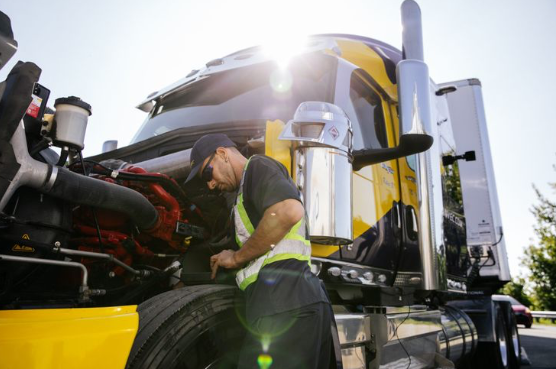
In the fast-paced world of transport, a breakdown on the side of the road can derail an entire delivery schedule. To combat this, many successful fleets rely on onsite truck & trailer repair services to address issues wherever they occur.
These mobile units are equipped with the tools and diagnostic software necessary to handle everything from electrical faults to hydraulic leaks without the need for an expensive tow to a centralized shop.
By bringing the expertise directly to the vehicle, onsite truck & trailer repair minimizes the duration of the delay and gets the cargo moving again with minimal disruption.
Monitoring Electrical Systems and Battery Health
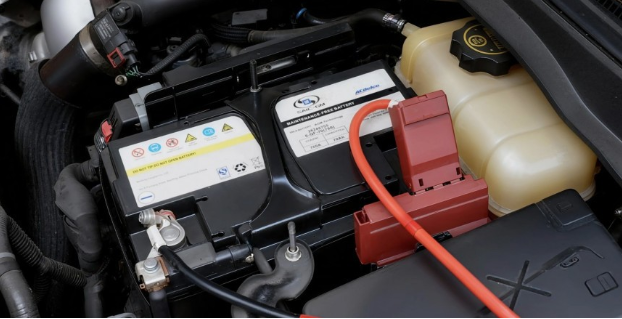
Modern heavy duty trucks are more reliant on electronics than ever before. From engine control modules to sophisticated lighting and GPS systems, the electrical architecture must remain robust.
Corroded terminals, fraying wires, or a weak battery can cause intermittent issues that are difficult to diagnose.
Regularly testing the alternator and cleaning battery connections prevents starting issues and ensures that all safety sensors and communication devices remain operational. In extreme weather conditions, the demand on the electrical system increases, making seasonal inspections even more critical.