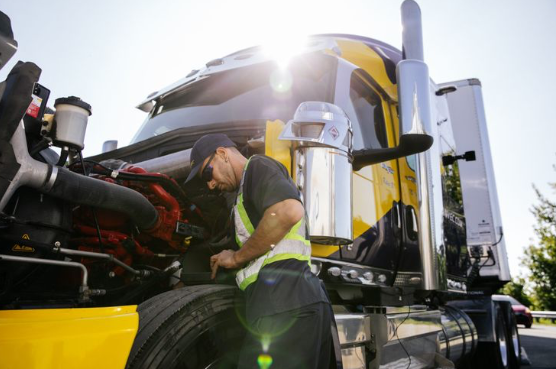
Maintaining heavy-duty trucks and trailers is no small task. These vehicles endure long hauls, heavy loads, and constant wear and tear. Neglecting repairs can lead to costly breakdowns and downtime. Effective management of repairs ensures safety, efficiency, and longevity for your fleet. From routine inspections to emergency fixes, understanding the right strategies can save both time and money.
Routine Maintenance Checks For Heavy Duty Vehicles
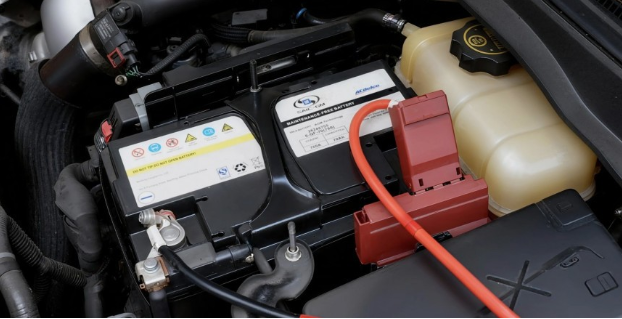
Regular maintenance is the foundation of keeping trucks and trailers in top condition. Checking brakes, tires, fluids, and lights can prevent major failures. Scheduled inspections help identify issues before they become expensive problems. Consistent upkeep also improves fuel efficiency and driver safety. Routine maintenance is the first step toward reducing emergency repair calls.
Benefits Of Onsite Truck & Trailer Repair
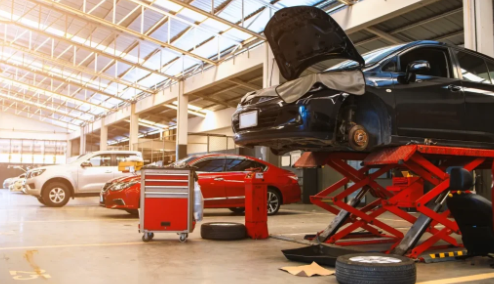
Onsite truck & trailer repair refers to servicing vehicles directly at their location rather than waiting for a shop appointment. This approach minimizes downtime and keeps operations running smoothly. Skilled technicians can diagnose issues quickly and provide immediate solutions. For fleet managers, this means less disruption and more reliability on the road. Implementing onsite truck & trailer repair strategies ensures vehicles return to service faster.
Choosing Reliable Mobile Truck And Trailer Repair Services
Mobile truck and trailer repair allows mechanics to reach vehicles wherever they break down. These services are equipped to handle a wide range of problems on the spot. Choosing a dependable provider ensures repairs are done right the first time. With mobile truck and trailer repair, operators can avoid long waits and tow costs. It’s a practical solution for fleets that need flexibility and speed.
Scheduling Preventive Onsite Truck & Trailer Repair
Preventive maintenance through onsite truck & trailer repair is essential for avoiding unexpected failures. Scheduling regular checkups at the fleet’s location helps catch minor issues early. Technicians can perform inspections, replace worn parts, and adjust systems before they fail. Preventive strategies reduce repair costs and downtime. Businesses relying on timely deliveries find this approach indispensable.
Equipment And Tools For Mobile Truck And Trailer Repair
Having the right tools is critical for effective mobile truck and trailer repair. Technicians need portable diagnostic equipment, spare parts, and safety gear to handle emergencies. Investing in quality tools ensures repairs are efficient and reliable. Modern mobile units can replicate many shop functions, making roadside fixes seamless. Properly equipped services keep vehicles moving with minimal interruption.
Training And Skill Development For Onsite Truck & Trailer Repair
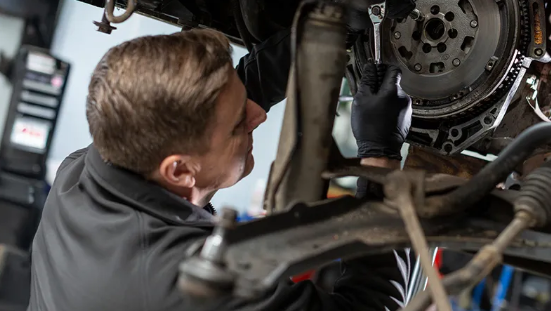
Technicians performing onsite truck & trailer repair must stay updated on new technologies and systems. Continuous training improves diagnostic accuracy and repair quality. Skilled mechanics can handle complex issues safely and quickly. Investing in team development not only enhances service reliability but also strengthens the reputation of your fleet management. Knowledgeable staff are the backbone of effective onsite repair operations.
Conclusion
Managing heavy-duty vehicle repairs requires a combination of routine maintenance, skilled technicians, and smart repair strategies. Onsite truck & trailer repair and mobile truck and trailer repair services provide flexibility and speed, minimizing downtime and costs. By prioritizing preventive care, investing in the right tools, and training staff effectively, fleets can stay on the road longer and operate more efficiently. Proper management ensures safety, reliability, and long-term performance for every truck and trailer in service.