Buying a dump truck for commercial use is not just a vehicle purchase. It is a capital investment. It affects cash flow, operating margins, and long-term business growth. Whether you plan to enter construction hauling, mining support, or local material transport, the numbers must make sense before the engine even starts. A dump truck can generate strong revenue, but only if you plan carefully and understand the financial implications behind the purchase.
Upfront Purchase Cost And Capital Planning
The first figure most buyers see is the sticker price. New dump trucks can range from moderate six figures to significantly higher depending on size, brand, and configuration. Used models may cost less, but condition and maintenance history matter.
Beyond the base price, you must account for registration fees, taxes, insurance premiums, and possible customization costs. Many operators overlook body modifications, hydraulic upgrades, or tarp systems that add to the total investment.
Budgeting Before You Buy Dump Truck For Business Growth
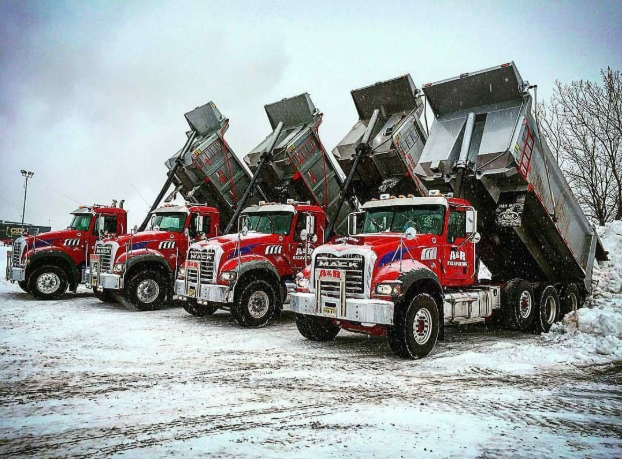
To buy dump truck means acquiring a heavy-duty commercial vehicle designed with a hydraulic bed that lifts to unload materials like gravel, sand, or debris. It is a revenue-generating asset, not a personal vehicle.
Before you buy dump truck for commercial operations, calculate projected monthly income against loan repayments, fuel, insurance, and payroll. This is where financial discipline matters.
Estimate utilization rates. If the truck sits idle for long periods, your return on investment drops quickly. The smartest time to buy dump truck is when signed contracts or strong market demand support consistent work. In short, buy dump truck only when projected revenue comfortably exceeds total monthly ownership costs.
Financing Options When You Buy Dump Truck
Most commercial buyers rely on financing. Equipment loans, leasing structures, and dealer-backed financing programs each carry different implications.
Traditional loans require down payments, often between ten and twenty percent. Interest rates depend on credit strength and business history. Leasing can reduce upfront cost but may increase total long-term expense.
Consider the tax advantages. Depreciation deductions and potential Section 179 benefits can offset taxable income. However, those benefits should complement your decision, not drive it. Financing works best when the payment schedule aligns with predictable cash inflows from hauling contracts.
Operating Costs That Impact Profitability
Fuel consumption is one of the largest ongoing expenses. Dump trucks are heavy machines. They burn significant diesel, especially under load. Fluctuating fuel prices can compress margins quickly.
Maintenance is equally critical. Tires alone represent a substantial cost, and they wear fast on rough terrain. Routine servicing, hydraulic system maintenance, and brake replacements must be budgeted annually.
Depreciation And Resale Value Considerations
A dump truck begins depreciating the moment it enters service. The rate depends on brand reputation, usage intensity, and maintenance standards.
Well-maintained trucks with documented service records hold stronger resale value. Poor maintenance reduces market appeal and lowers recovery value at resale.
Conclusion
Purchasing a dump truck for commercial use is a strategic financial decision. The upfront cost is only the beginning. Financing structure, operating expenses, depreciation, and market demand all shape the final outcome. Approach the decision with realistic projections and conservative revenue estimates. When the numbers align and demand is stable, the investment can strengthen your business significantly.