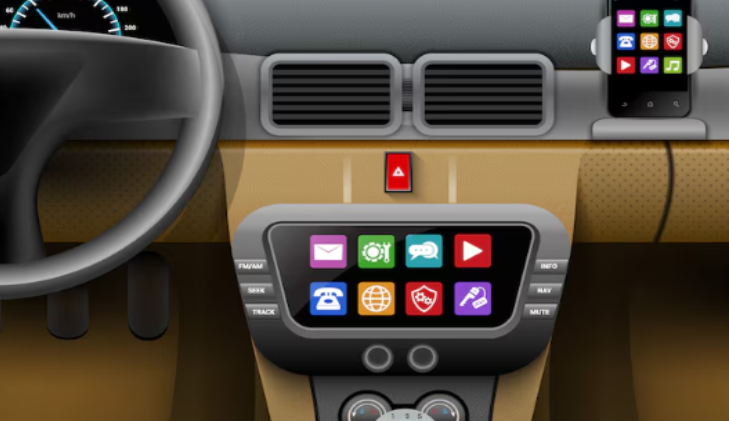
In the modern automotive landscape, the dashboard has evolved from a simple cluster of analog gauges into a sophisticated digital hub. As connectivity becomes an inseparable part of our daily routines, the quality of a vehicle’s digital interface significantly impacts the driving experience.
Ford has been at the forefront of this shift, consistently innovating to ensure that drivers remain connected, informed, and entertained while maintaining their focus on the road.
The Evolution of Connectivity
At the heart of this transformation is the SYNC platform, which serves as the central hub for navigation, entertainment, and communication. What began as a tool for basic hands-free calling and Bluetooth audio streaming has grown into an expansive ecosystem.
Today, ford infotainment systems act as a seamless bridge between a driver’s digital life and their vehicle, allowing for a personalized and efficient journey that goes beyond simply getting from one location to another.
Seamless Smartphone Integration
Modern drivers rely heavily on their smartphones for everything from music streaming to messaging. By supporting wireless Apple CarPlay and Android Auto, Ford allows users to mirror their mobile interfaces directly onto the vehicle’s touchscreen.
This integration means drivers can access their favorite apps—such as Spotify, Apple Music, or navigation tools—without ever needing to handle their devices.
This familiar and intuitive environment reduces complexity, as drivers interact with the car using the same applications they use in their daily lives.
Cloud-Based Intelligence and Navigation
One of the most significant leaps in Ford’s connected strategy is the move toward cloud-based intelligence. The latest systems offer connected navigation that provides real-time traffic updates, weather forecasts, and parking availability.
By continuously communicating with the cloud, the vehicle can suggest optimal routes and avoid construction zones or traffic jams, ensuring that every drive is as efficient as possible.
This real-time data ensures that the information on your dashboard is always current, providing a level of reliability that static, onboard maps simply cannot match.
Voice Recognition and Hands-Free Safety
Safety is the cornerstone of Ford’s design philosophy. To minimize distractions, the company has heavily invested in advanced voice recognition technology. Drivers can now use natural, conversational language to adjust climate settings, search for points of interest, or send text messages.
By allowing users to perform these tasks with the sound of their voice, the system ensures that hands remain on the wheel and eyes stay on the road, making every interaction safer and more efficient.
Extending Connectivity with FordPass
The connected experience is not limited to the time spent behind the wheel. Through the FordPass app, owners can extend their connectivity to their smartphone, allowing for remote vehicle access.
This includes features like remote start, locking and unlocking doors, checking fuel or battery levels, and locating parked vehicles. This ecosystem ensures that a driver’s connection to their vehicle is constant, providing peace of mind and convenience whether they are inside the car or miles away.
Future-Proofing with Over-the-Air Updates
Traditionally, vehicle technology would become obsolete shortly after purchase. However, the modern Ford infotainment system is designed to be future-proof through over-the-air (OTA) software updates.
These updates are delivered remotely, allowing the system to gain new features, improve performance, and enhance security without requiring a trip to the dealership.
By continuously evolving, these systems ensure that the driving experience remains cutting-edge throughout the entire duration of vehicle ownership.